STYLING ISN’T OPTIONAL: HERE’S WHY IT DEFINES EVERYTHING.
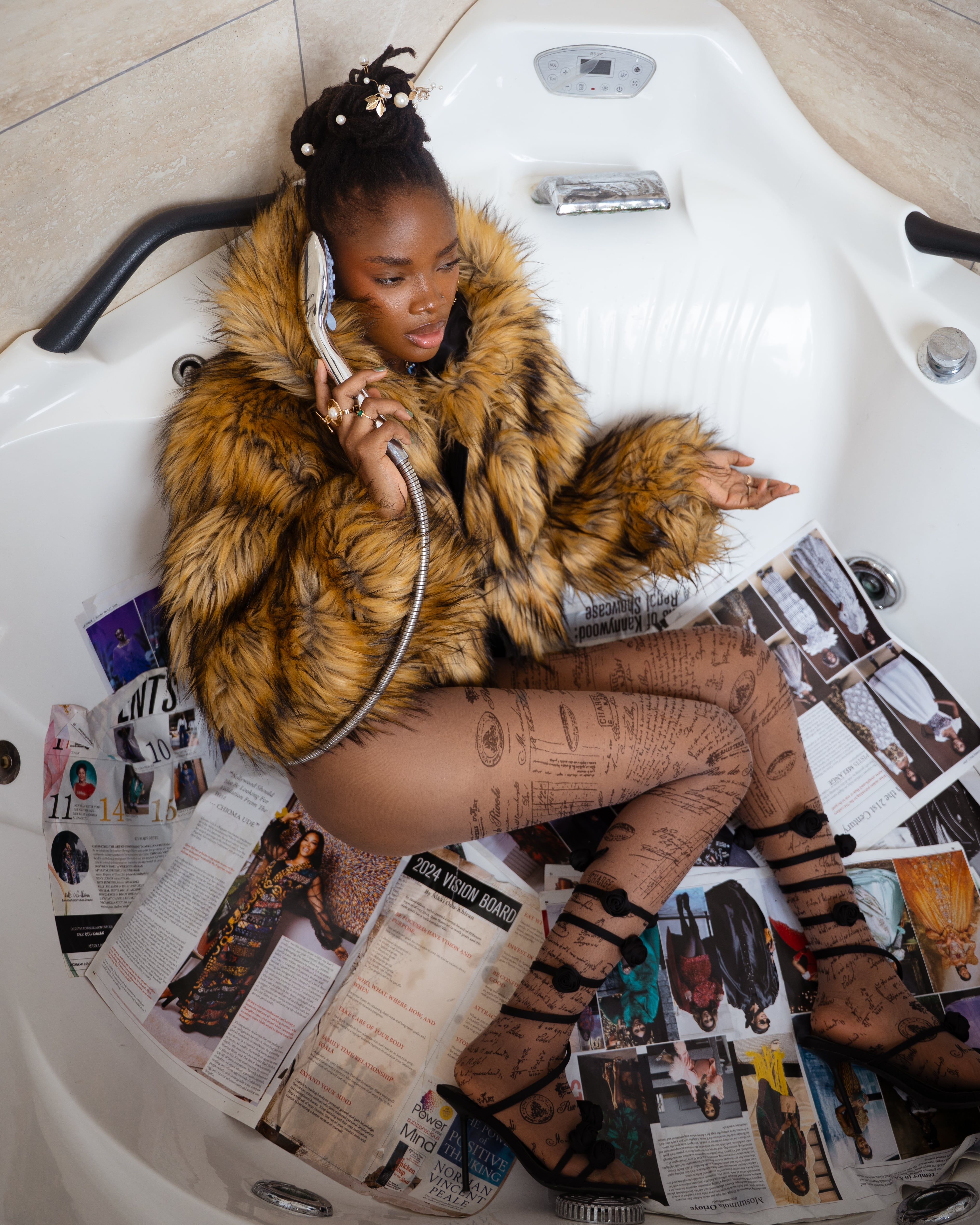
Why is styling still treated as an afterthought?
Styling, at its highest level, is already being taken seriously. You see it in the work of Nigerian stylists like Dunsin Wright, whose collaborations with Tems have helped shape a distinct, globally recognisable image, or Karen Binns, whose long-standing work with Wizkid constantly reflects his place in Afrobeats. In these spaces, styling is understood for what it is: not an accessory, but a core part of how an artist is seen and remembered.
But outside of these highly visible collaborations, it’s not always the same. In many independent creative projects, styling is still treated as secondary, as something flexible or optional. To some, it’s as simple as sourcing clothes or putting outfits together, a task that can be absorbed by anyone on set or improvised on the day. In some cases, stylists are brought in without being properly resourced, in others, they are expected to work without pay, as though the role exists outside the structure of the production itself.
What exactly is Styling?
At its core, styling can be a form of storytelling. It takes abstract ideas, references, moods, and concepts and renders them into something tangible. It considers how garments actually interact with the body, how textures respond to light, or how colour behaves within a frame. A stylist’s job, done right, holds an image together before it’s even captured. They bring cohesion, and without it, what remains is a collection of elements that fail to speak to each other.

Photographed by Folahanmi Onajoko, Talent & Stylist: Bube
The gap between vision and execution
Some productions skip hiring a stylist altogether, assuming the job can be handled internally. Even though it looks fine on paper, things tend to fall apart once the shoot actually happens. Outfits start to not sit right with the concept, colors clash with the set, and pieces that might look great individually suddenly feel disconnected when placed together. What was assumed to be effortless now looks off, and when the final images don’t match the vision board, the responsibility or blame often lands on the photographer or creative director.
From a photographer’s perspective, this gap is too difficult to ignore. The role of the photographer is to interpret and capture a vision, but when the styling lacks direction, the image is already working against itself. On a photographer’s experience, the absence of a stylist becomes very obvious on set. A concept might look clear on a mood board, but when the clothes arrive and everything has to work together in real life, the results feel disconnected and don’t read well on camera. By the time the shoot starts, the photographer finds themselves trying to solve problems that could have been addressed earlier in the process, and when the final images fall short of expectation, the blame rarely returns to where the breakdown began.

Photographed by Folahanmi Onajoko, Talent & Stylist: Alex.
Part of the reason styling continues to be undervalued is because much of the work happens before anyone sees it, outside of the final frame. All of the research, reference pulling, brand coordination, fitting sessions, adjustments and much more that happens behind the scenes goes unnoticed. When done well, it almost disappears and integrates seamlessly. Because everything looks natural and intentional, it makes the role easy to underestimate.
The irony is that the industry already recognises the power of styling at its highest levels, yet this same understanding has not fully translated into smaller-scale productions. A strong image is never incidental; stylists will always be an important asset to any creative project. To treat it as optional is not just to undervalue the role, but to compromise the clarity of the work itself.